
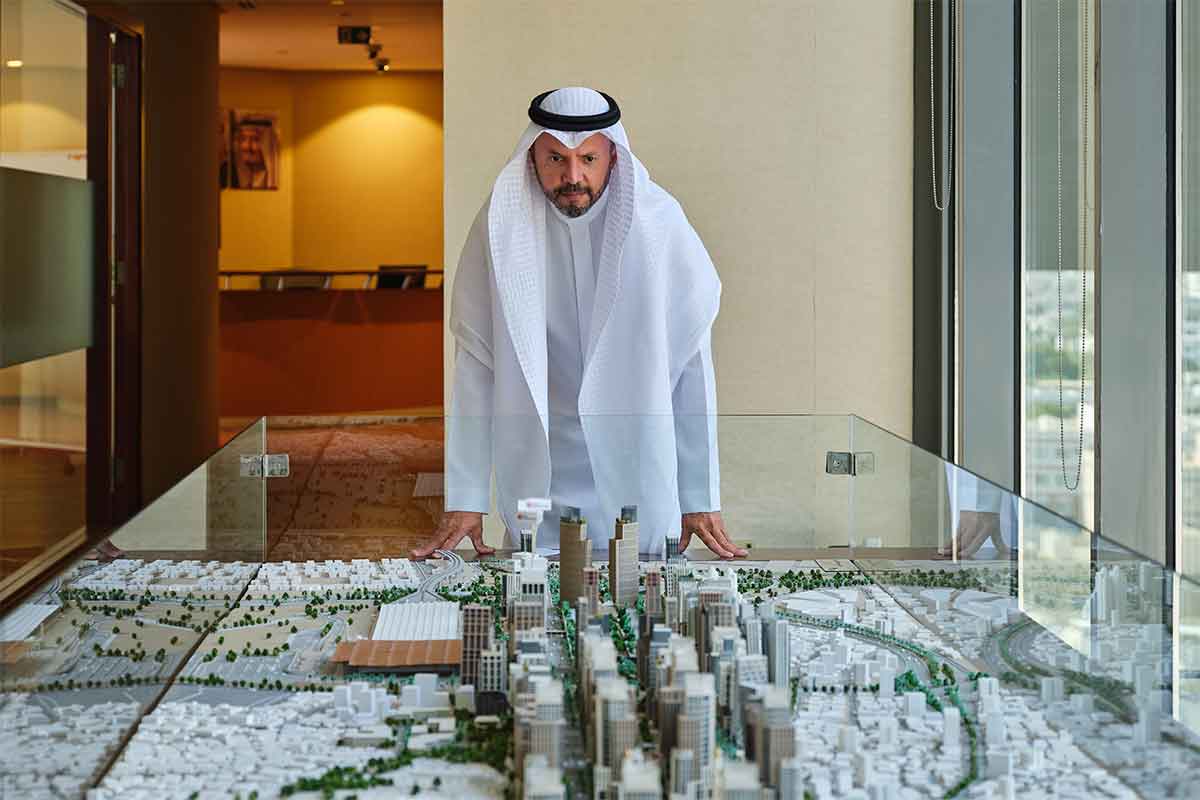
By the time you reach the top job in one of Saudi Arabia’s most complex urban developments, you tend to have learned a few things. For Yasser Abuateek, CEO of Umm Al-Qura, the owner of Masar Destination, leadership is less about titles and more about systems — human, financial and institutional — that hold together under pressure.
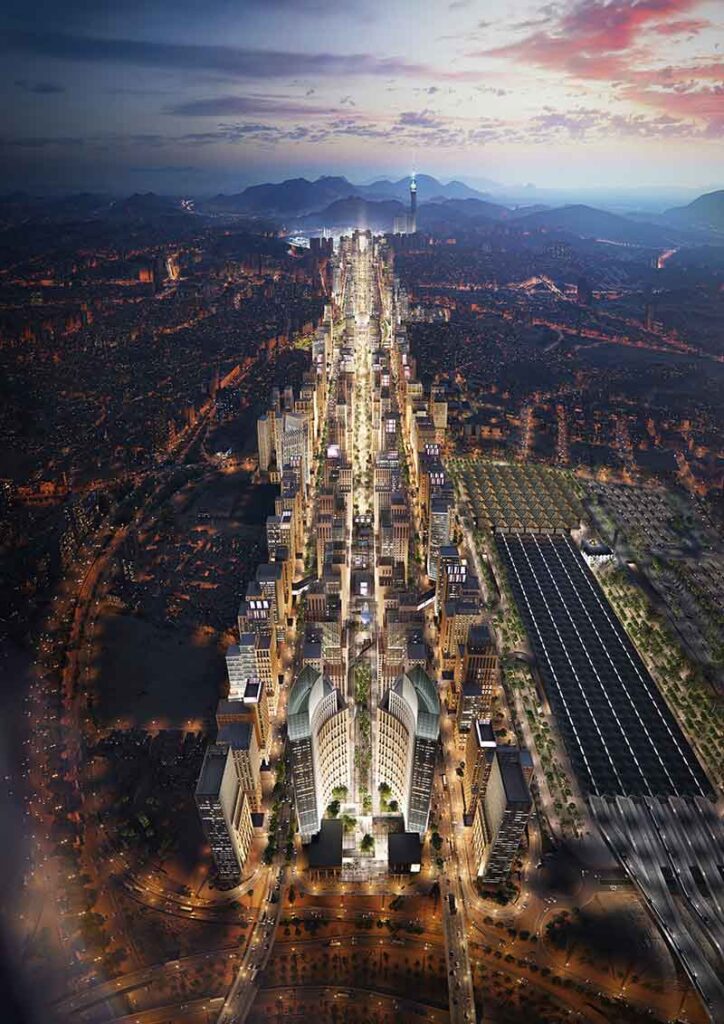
UAQ sits at the intersection of religion, real estate and reform. As the master developer behind Masar Destination in Makkah, the company is reshaping one of the most sensitive and symbolically important urban environments in the world. This is not property development as usual. It is city-making under global scrutiny, long investment cycles and an unforgiving operational reality.
Saudi Arabia’s property sector is undergoing one of its most ambitious transformations in decades. Driven by Vision 2030, the Kingdom is accelerating private sector participation, diversification and quality-of-life infrastructure. Real estate has become both a catalyst and a proving ground — from giga-projects to deeply local urban regeneration.
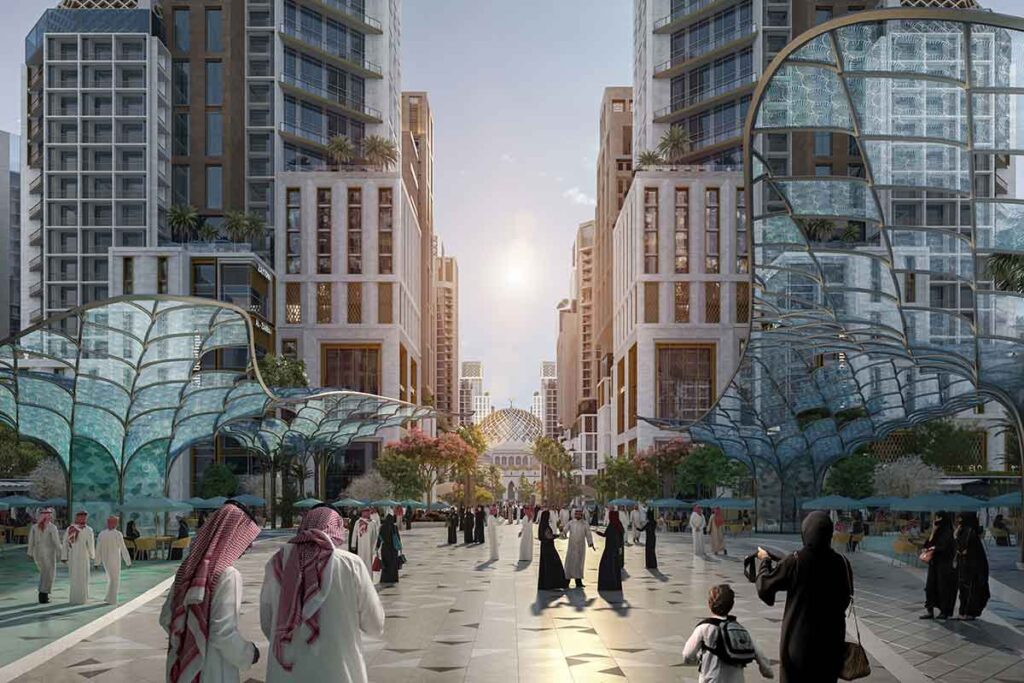
Masar Destination, a multi-billion-riyal integrated urban corridor leading to the Holy Mosque, is one of the clearest expressions of that shift. Abuateek’s leadership philosophy — forged in finance, governance and execution — is central to how it is being delivered.
But scale alone does not define it. Masar is designed not only to host activity, but to generate it — converting movement into economic vitality and long-term value creation. It is conceived as an operating urban system, where capital, mobility, governance and human experience reinforce one another over time.
From finance to foundations
Abuateek’s route to the CEO’s office did not begin with cranes and concrete. It began in real estate finance — a background that continues to shape how he approaches development.
“My experience in founding and scaling a real estate finance company into one of the largest in the Kingdom gave me practical insight into capital structuring, risk management and sector dynamics,” he says.
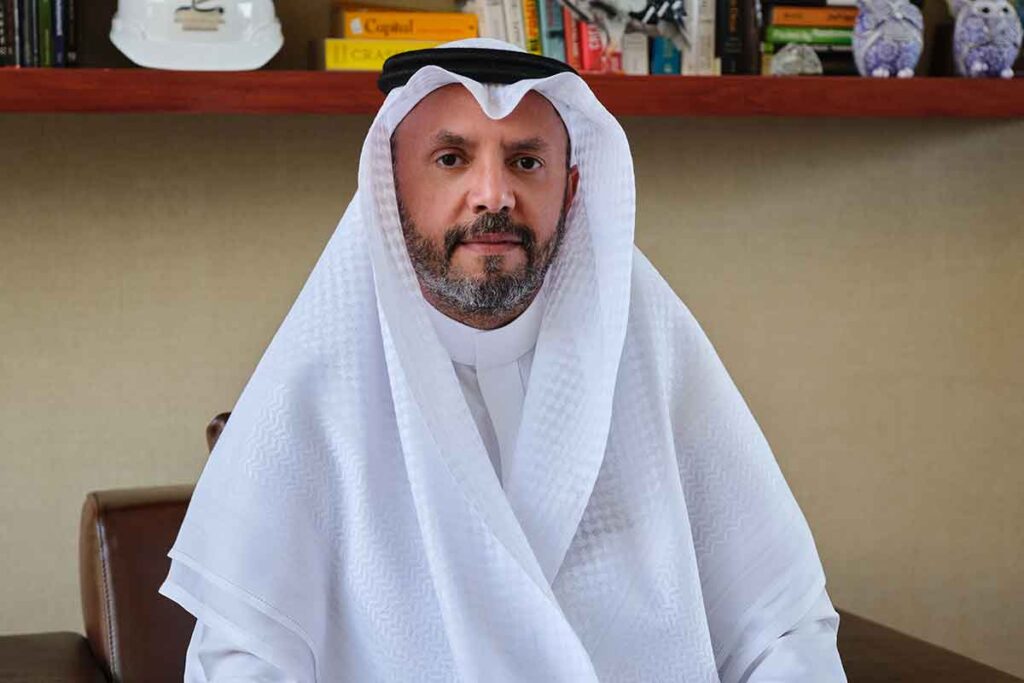
That experience instilled an institutional mindset. “It taught me how to build institutions, not just projects.” In complex urban environments, speed is rarely the true differentiator. Discipline is. Governance, sequencing and operational clarity ultimately determine whether scale becomes strength — or strain.
At Masar’s scale, UAQ is not delivering a standalone asset. It is charged with shaping a destination expected to function, adapt and endure over generations.
A mission beyond square metres
Ask Abuateek to define UAQ’s mission and he avoids slogans.
“As the owner, operator and developer of Masar Destination, our responsibility is grounded in a demanding idea: improving quality of life by creating destinations that genuinely work for people and place, while meeting high international standards.”
Over time, that mission has evolved. What began as destination-making has matured into a broader view of how cities function — or fail — in daily life.
“Our core values influence how Masar is planned, operated and governed. They shape environmental responsibility, human movement and long-term accountability.” Masar is being developed as a living urban system — designed to perform reliably today, adapt as needs change and remain responsible to future generations.
Urban regeneration at this scale carries execution risk, capital risk and reputational risk. Recognising those realities early — and structuring around them — is part of responsible leadership.
Growth without fragmentation
As Masar has grown in scale and complexity, maintaining coherence has become the central challenge. “At scale, fragmentation is the silent risk,” Abuateek notes. “Growth rarely collapses a place overnight. It erodes coherence gradually.”
To address this, UAQ chose to hold Masar to community-level performance standards that reflect how the destination operates as a whole.
The destination secured LEED Gold certification at the community level and achieved a strong 85 per cent score in its first participation in GRESB — internationally recognised benchmarks that introduce discipline into everyday decisions.
Coordinating more than 20 approved developers within a unified governance framework is not a constraint. It is a deliberate structural choice to prevent fragmentation and preserve long-term continuity.
Capital with a long memory
Masar operates as an integrated investment and development platform. Today, it represents more than SAR 63 billion in planned investment, with over SAR 38 billion already committed across multiple development plots.
“That balance comes from treating Masar as a connected urban environment, not a collection of individual assets,” Abuateek says.
Investment decisions are filtered through broader criteria: mobility integration, environmental performance, operational efficiency and lived experience — alongside financial returns.
“Value, in this framework, is measured not only in IRR but in continuity — in how well the destination works over time.”
Vision 2030, applied
Saudi Arabia’s Vision 2030 looms large over every major project in the Kingdom. At Masar, Abuateek sees it as a practical reference point rather than a slogan.
“Masar has been shaped with Vision 2030 as an operational framework. For international investors, it stands as clear, on-the-ground evidence that Vision 2030 is not an aspiration — it is execution.
What we are delivering demonstrates how the Saudi government has deliberately empowered the private sector to lead, structure and execute giga-scale developments under internationally recognised governance standards.
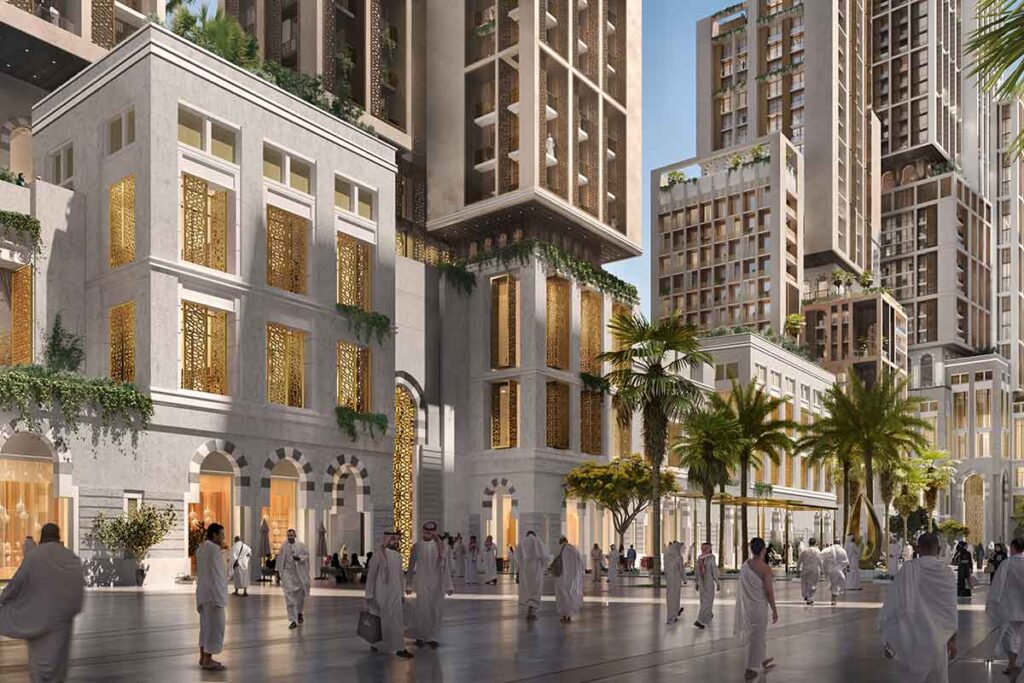
Masar demonstrates how government vision and private sector capability can operate in alignment-combining policy clarity with execution discipline to deliver giga-scale development at international standards.
The destination is planned and operated as a coherent urban system designed to reduce complexity and provide clarity for investors and developers.
Where opportunity lies
Asked where he sees the most compelling opportunities in Saudi Arabia today, Abuateek does not point to sectors in isolation, but to convergence.
“The intersection of urban development, sustainability and technology is becoming the defining investment thesis of the region.”
Urban platforms that optimise movement, data, environmental performance and human interaction generate more durable economic value than static assets. In Makkah, responsibility is amplified. Development must operate under extreme seasonal demand, cultural sensitivity and international scrutiny.
Operational integration — not just construction — becomes the true differentiator. Masar’s ecosystem reflects that philosophy. More than 20 developers operate within a unified governance structure.
Sustainable mobility is advancing through electric Bus Rapid Transit partnerships. A unified digital ownership and developer platform enhances transparency and coordination. These are not peripheral initiatives.
They are structural components of a model designed to align capital, operations and long-term accountability — the foundation of resilient, globally investable urban systems.
Leadership by structure
Innovation at UAQ is supported by structure rather than slogans.
“Leadership is less about visibility and more about building systems that continue to function without constant intervention,” Abuateek says.
The company places strong emphasis on wellbeing, safety, learning and inclusion — not as compliance measures, but as prerequisites for managing complexity. Looking ahead, Abuateek is focused less on personal ambition and more on generational responsibility.
“In a city like Makkah, development is never purely commercial. It carries spiritual, historical and generational weight. Every decision must balance performance with responsibility, scale with humility and context. The true measure of success is not how quickly Masar is built, but how well it serves people decades from now.”
“I believe that leading a destination of this significance requires humility and a genuinely human-
centric approach.”