
The UAE’s mobility story is no longer just about horsepower, showroom launches, or monthly sales targets. It is becoming something far more complex – and far more strategic.
From electrification and autonomous transport to shifting customer expectations and digital integration, the country is rapidly evolving into one of the world’s most dynamic mobility ecosystems. For operators at the centre of this transformation, the challenge is not simply keeping up. It is about anticipating change – and building organisations that can move with it.
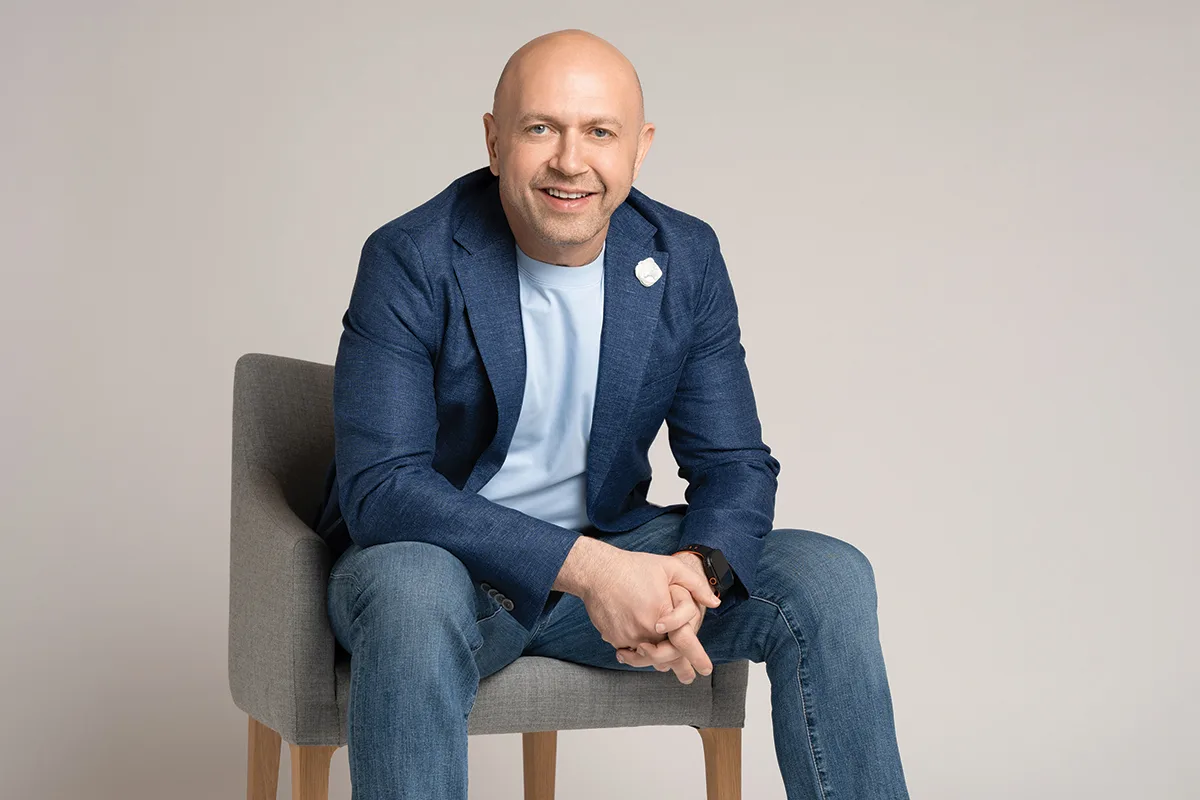
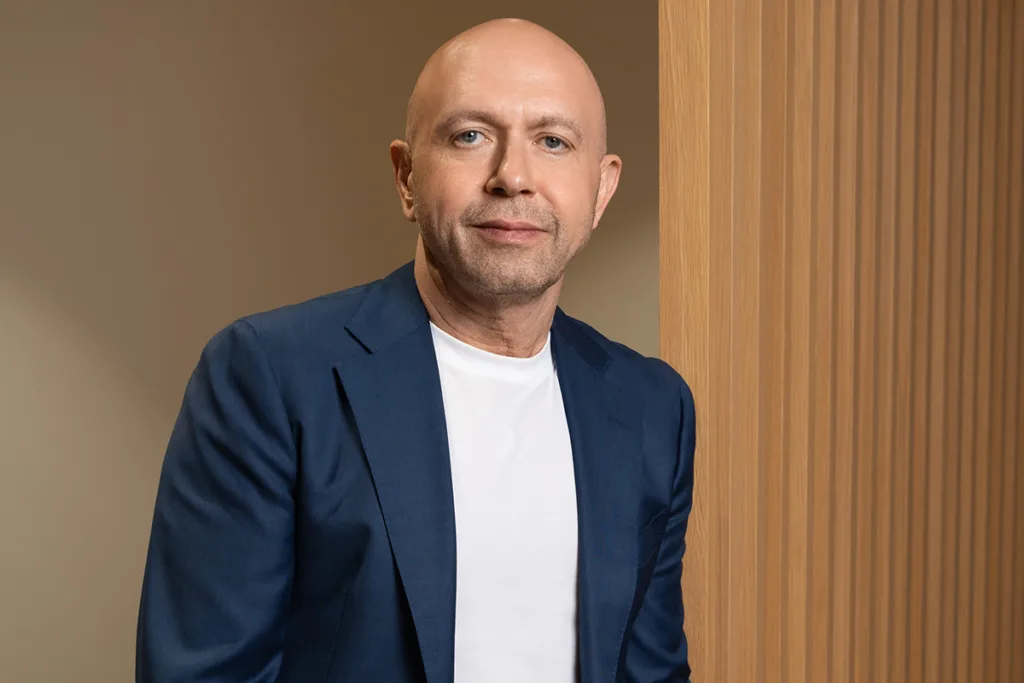
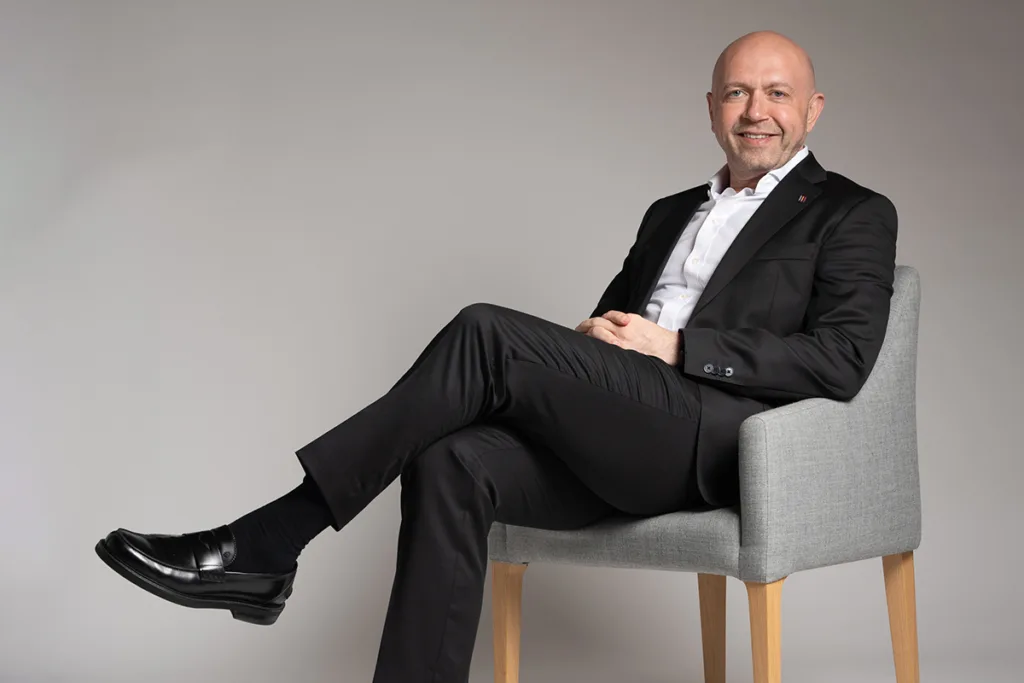
Few understand that balancing act better than Hussam Baghdadi, Chief Operating Officer at Arabian Automobiles Company, one of the region’s largest automotive retail and service businesses. His vantage point is not theoretical. It is operational, embedded in the day-to-day realities of managing a large-scale, multi-layered mobility organisation in one of the fastest-moving markets globally.
What emerges from his perspective is a clear shift in how the industry defines itself – and what leadership now demands.
From transactions to ecosystems
At its core, the automotive business used to be relatively straightforward: sell vehicles, service them, repeat. Today, that model is being rewritten.
“The customer does not experience departments,” Baghdadi says. “They experience one journey.”
That single insight captures a broader industry transformation. Mobility is no longer a sequence of transactions. It is a continuous experience – one that stretches across marketing, sales, financing, servicing and long-term engagement.
In practical terms, that means automotive companies must operate less like siloed functions and more like integrated systems. Marketing sets expectations. Sales initiates relationships. Finance enables access. Aftersales builds trust. The success of the business depends not on any one of these elements, but on how seamlessly they work together.
“When these elements are aligned, the experience becomes seamless. When they are not, the gaps are immediately visible,” he explains.
This systems-thinking approach is increasingly becoming the defining characteristic of leading mobility operators in the UAE. It also reflects a deeper shift: the move from short-term transactions to long-term relationships.
“The point of sale is only the beginning,” Baghdadi says. “What defines the business is how consistently value is delivered across the entire customer lifecycle.”
The UAE as a global mobility testbed
That evolution is happening in a market uniquely positioned to lead it.
The UAE is no longer simply a strong automotive market. It is emerging as a global testbed for mobility innovation – driven by a combination of infrastructure investment, regulatory ambition and a willingness to adopt new technologies at pace.
“What we are seeing is not simply growth, but acceleration on multiple fronts,” Baghdadi notes.
New global and regional players are entering the market. Autonomous transport initiatives are gaining traction. Urban mobility concepts are expanding beyond traditional car ownership. And the country continues to position itself as a launchpad for future-forward mobility solutions.
Crucially, this transformation is not happening in isolation. “The industry’s role is shifting, from supplying vehicles to enabling movement across an increasingly connected ecosystem,” he says, pointing to the interplay between infrastructure, policy, technology and new mobility models.
In that context, the next decade will not be defined by innovation alone – but by integration.
The question is no longer what technologies exist, but how effectively they are brought together to create a seamless, efficient, and intelligent mobility experience.
Relevance in a fast-moving market
For legacy operators, this raises the undeniable reality: longevity does not guarantee relevance.
“Relevance is never inherited. It is earned continuously,” Baghdadi says.
In a market like the UAE, where consumer expectations evolve rapidly and competition intensifies, standing still is not an option. Businesses must constantly reassess where they stand – and where they need to go.
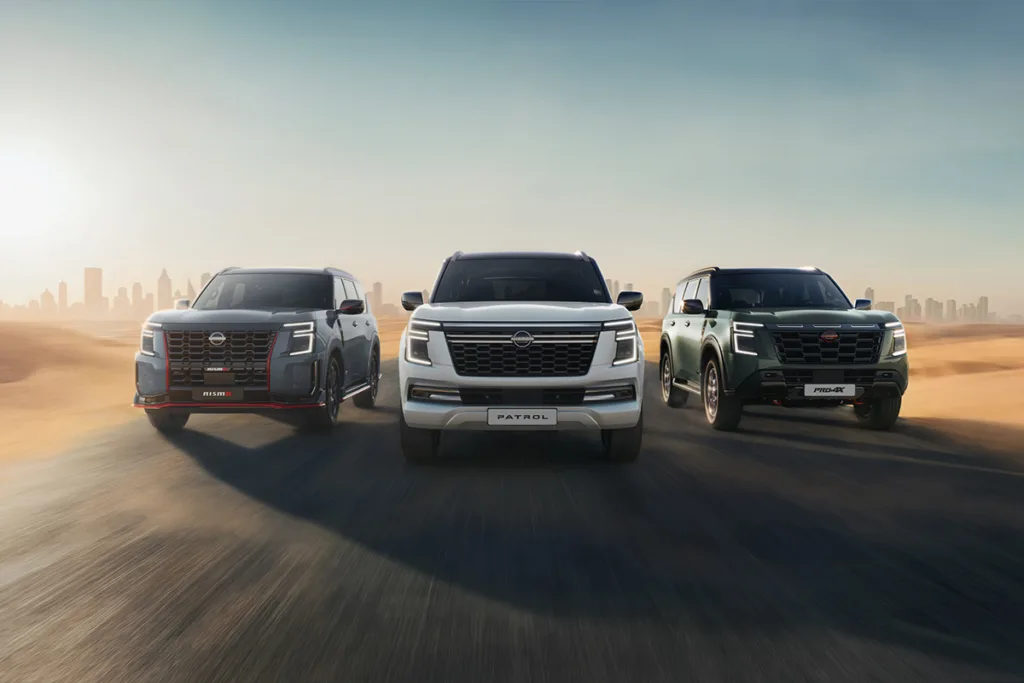
For Arabian Automobiles Company, that has meant evolving alongside the market rather than reacting to it. The company’s portfolio now includes Nissan, INFNITI, Renault, JMMC and Venucia reflecting a broader mix of established and emerging, technology-driven brands – mirroring the diversification of the mobility landscape itself.
But the more fundamental shift lies in how the business defines its role.
Ownership, once the central pillar of the automotive industry, is being reimagined. Flexibility is becoming just as important as possession, particularly among younger, more mobile consumers.
“Customers are increasingly looking for solutions that adapt to their lives, rather than fixed, long-term commitments,” Baghdadi says.
That shift is forcing operators to rethink their models — moving from one-off transactions to continuous service-based relationships.
Yet, amid all this change, some fundamentals remain constant.
“Trust, service quality, and operational discipline continue to define the business,” he adds.
A more intentional customer
If the industry is changing, so too is the customer. Today’s UAE consumer is not just more informed but more deliberate.
“Decision-making has moved beyond the product itself to the full experience around it,” Baghdadi explains. Buyers are increasingly evaluating long-term value, convenience and reliability. They are thinking in terms of total experience rather than individual transactions.
There is also a clear shift toward flexibility. For many consumers, particularly younger segments, ownership is no longer a fixed concept. It must reflect how they live, work, and move. “This is not a temporary trend. It is a structural shift,” he says.
The shift in customer behaviour is not abstract. It is visible in what people are choosing and how they are choosing it. Across our Nissan, INFINITI, and Renault portfolio, we have seen a clear move toward flexible ownership structures — lease-to-own and rent-to-own programs that give customers the freedom to upgrade, continue, or transition at the end of their term.
In a market as dynamic as the UAE, where both residents and entrepreneurs need to adapt quickly, that flexibility is not a feature. It is a fundamental expectation.
What is important to understand is that these models do not compete with traditional ownership — they lead into it.
Customers who begin through a short-term lease or subscription often progress naturally toward long-term ownership or certified pre-owned vehicles. Flexible options are gateways into a deeper relationship with the brand. And from a business perspective, the result is a broader customer base, stronger loyalty, and new opportunities to optimize inventory and unlock revenue streams that a purely transactional model would never reach. Customers already expect the one-stop-shop. The question is how well you deliver it.
At the same time, expectations around transparency and consistency have risen sharply. Trust is no longer built at the point of purchase. It is built and tested over time, across every interaction.
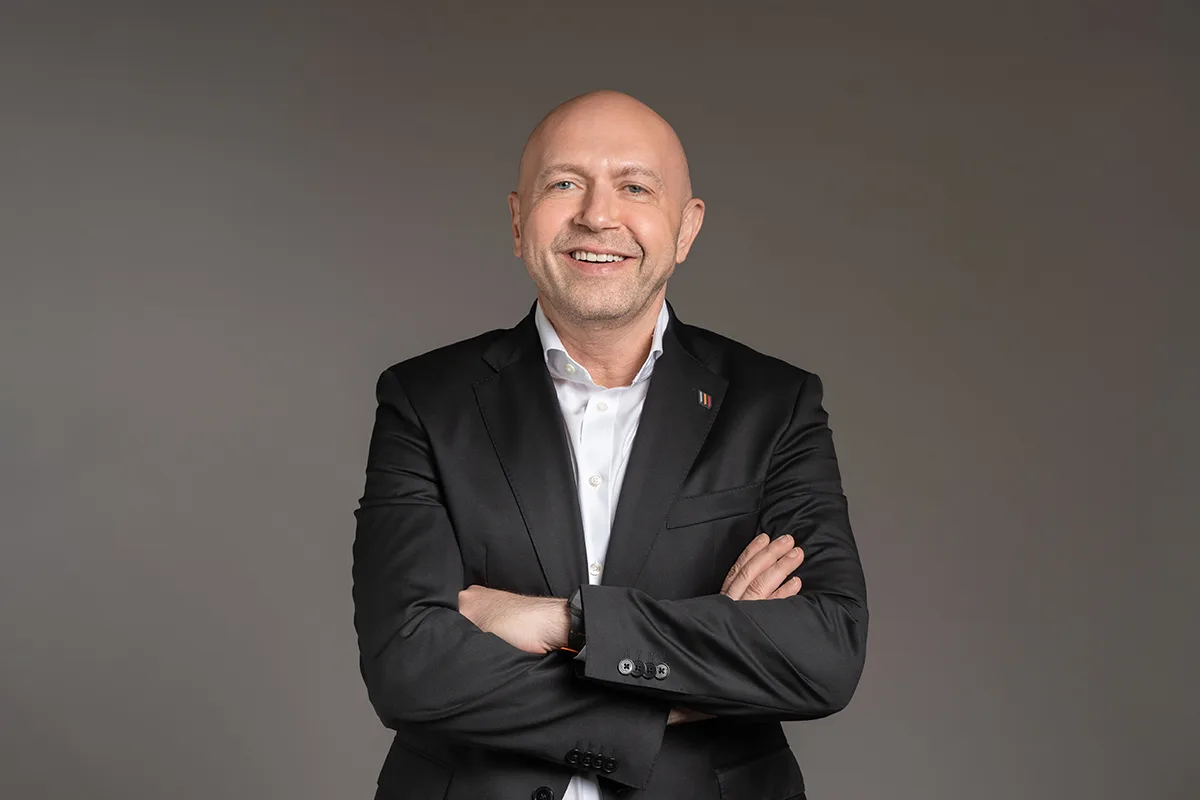
For operators, that creates a new level of accountability. “It is no longer enough to meet expectations once. You have to meet them consistently,” Baghdadi notes.
Aftersales: where trust is won
Nowhere is that consistency more critical than in aftersales.
In traditional automotive thinking, aftersales was often treated as a support function – necessary, but secondary to the initial sale. That view is rapidly becoming outdated.
“Aftersales is not a function. It is a critical part of a much larger system that defines how trust is built and sustained,” Baghdadi says.
Customers do not segment their experience into stages. For them, it is one continuous journey, and what happens after the purchase often carries more weight than the transaction itself.
This is particularly true in the UAE, where vehicles typically remain part of people’s lives for many years. Over time, the consistency of support becomes a defining factor in brand loyalty.
“Aftersales is where the promise of the brand is tested,” he says.
Technology is enhancing how that support is delivered, enabling greater efficiency and foresight. But the underlying principle remains unchanged: customers remember how they are treated, especially when it matters most.
A practical expression of this is one of our approaches to pick-up and drop-off service. We are getting closer to our customer. They should not have to reorganize their day around a service appointment. That principle, of constantly looking for ways to give customers back their time, is what distinguishes aftersales that genuinely serves people from one that simply processes them.
Electrification and the reality of coexistence
Alongside these shifts, the industry is also navigating one of its most significant structural transitions: electrification. Yet, contrary to some narratives, this is not a simple, linear shift.
“What we are entering is a period of coexistence,” Baghdadi explains, referring to the parallel presence of electric, hybrid, and combustion vehicles.
Supporting that coexistence requires more than technical readiness. It demands alignment across infrastructure, operations, and customer experience.
For businesses, the challenge is not just introducing new technologies, but ensuring that the entire system, from sales to servicing, remains clear, consistent, and reliable.
“Customer expectations do not change,” he says. “They still expect transparency, ease, and confidence.”
In other words, the complexity of the transition must be absorbed by the operator not passed on to the customer.
The success of electrification will ultimately depend not on speed, but on confidence. And that confidence is built through clarity, integration, and trust.
Leadership as orchestration
If there is a single thread that runs through Baghdadi’s perspective, it is this: leadership in modern mobility has evolved to become more about orchestration.
“Leadership becomes less about managing individual functions and more about ensuring alignment across all of them,” he says.
In large organisations, that alignment is driven not by processes alone, but by culture. “Culture is what connects the system,” he explains.
It is reflected in how decisions are made, how ownership is taken, and how consistently standards are upheld. It ensures that different parts of the organisation operate not as isolated units, but as a cohesive whole.
The foundation of that culture is clarity. Every individual must understand not only their role, but how it contributes to the broader customer journey.
What makes that clarity sustainable is purpose.
When each team member understands not only their responsibilities, but the purpose those responsibilities serve, alignment becomes self-sustaining. It is not about individuals performing well in isolation. It is about everyone contributing to the same outcome, united under one purpose. That shared understanding is what gives the culture its strength.
Ownership is equally critical. Roles are not viewed in isolation, but as part of a shared responsibility toward delivering outcomes.
“Consistency is not enforced. It is built,” Baghdadi says.
That distinction is key. In a fast-moving, complex environment, rigid control is less effective than shared understanding and aligned behaviour.
The road ahead
As the UAE continues to position itself at the forefront of global mobility innovation, the expectations placed on operators will only increase.
The industry is becoming more interconnected, more customer-centric, and more technologically driven. But at its core, the fundamentals remain strikingly human: trust, consistency, and the ability to deliver meaningful experiences over time.
For leaders like Hussam Baghdadi, the task is not simply to navigate this complexity but to bring coherence to it. Because in the end, mobility is no longer just about movement. It is about how seamlessly and how confidently that movement is enabled.