

1837
Having decided to move to Paris at the age of 16, Louis Vuitton became the apprentice of a box and trunk-maker.

1851
While Napoleon Bonaparte reigned, his wife, the Amperes of France, hired Vuitton as her personal box-maker and packer. Soon, he was supplying other French royalty.

1858
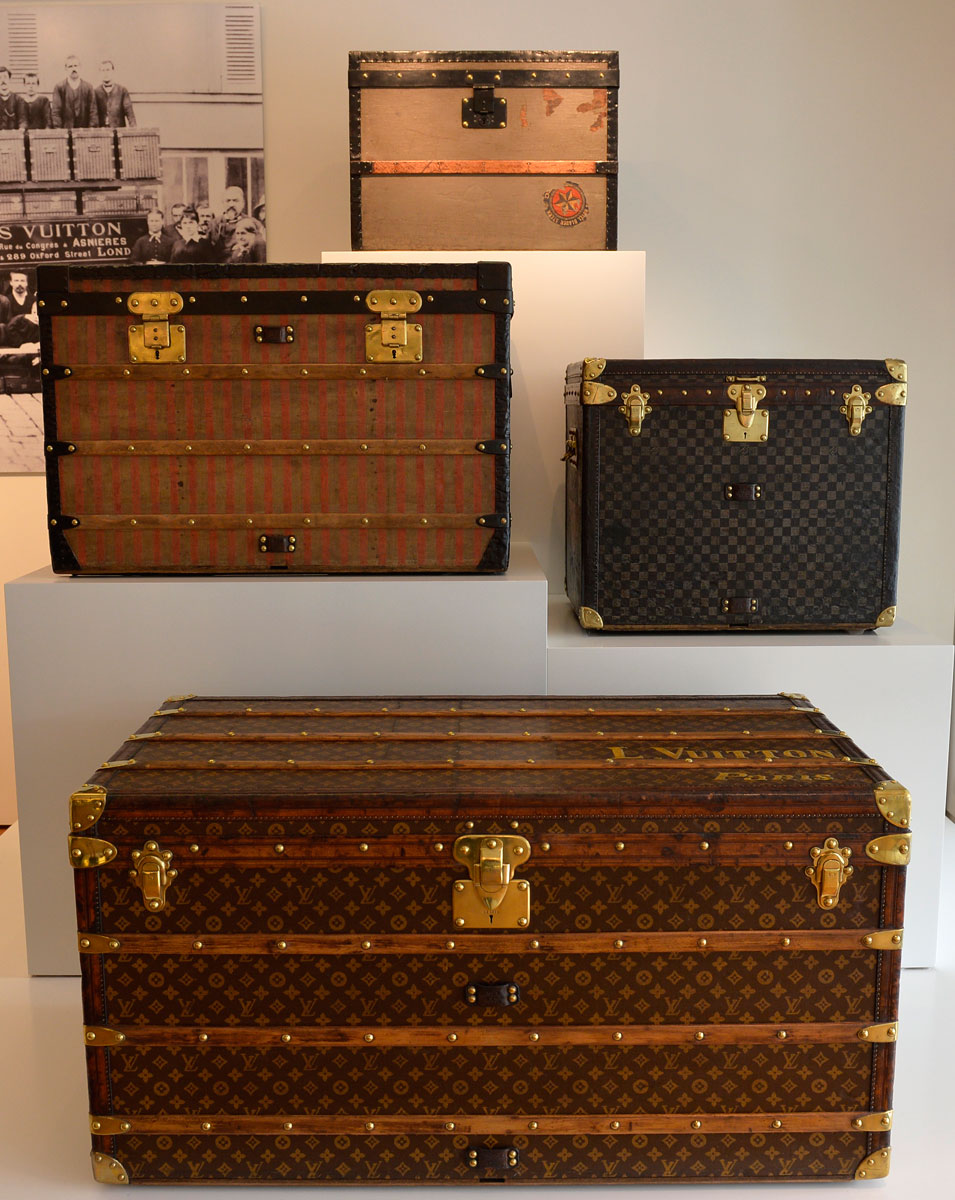
Vuitton developed his now iconic trunk. Not made from leather – but from grey canvas – it was lighter, more durable and immune to water. It was also rectangular shaped, and easily stackable on trains and ships.
1892
Louis Vuitton passes away, leaving the management of his business to his son George.

1896
In an effort to fight counterfeiters, George introduced the iconic monogram canvas – printed with the LV logo, quatrefoils and flowers.

1914
Louis Vuitton’s store on the Champs-Elysees becomes the biggest store for luggage and travel accessories in the world. Soon after, new stores open in New York, Washington, London, Bombay and Buenos Aires.

1932
A champagne producer needs a bag able to hold five bottles of champagne, and Louis Vuitton creates the Noé.
1987
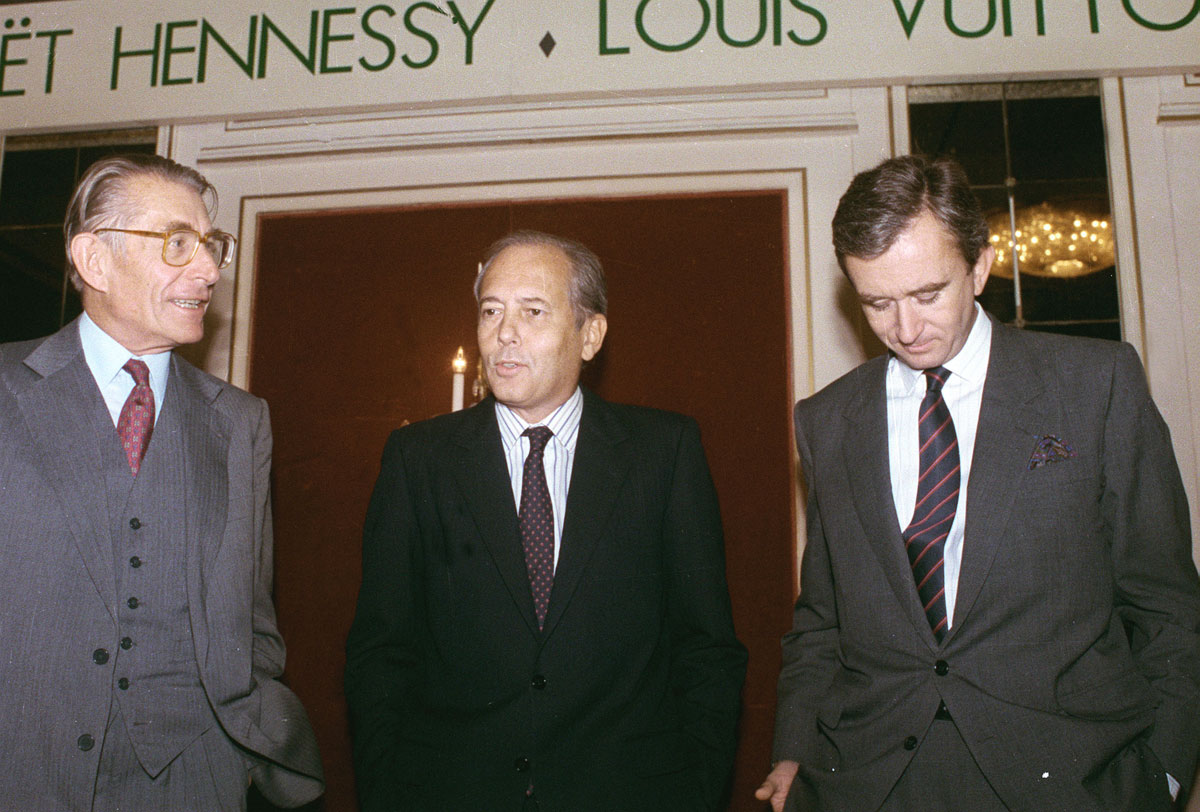
Merger between Moet Hennessey and Louis Vuitton produces LVMH, and becomes the largest producer of luxury products in the world.
1997
Marc Jacobs becomes Louis Vuitton’s first creative director, designing the company’s very first prêt-à-porter collection.
