
If you read the news you will see article after article, report after report, about mental health, a conversation which has grown from a whisper before the pandemic to one that is now being voiced openly in public.
Here is the UAE, with all its advantages, we are not immune to the impact of mental health, with recent research showing that 88 percent of employees are stressed out. Follow up research showed that even HNWIs in the UAE were suffering, with 96 percent showing at least one symptom of stress.
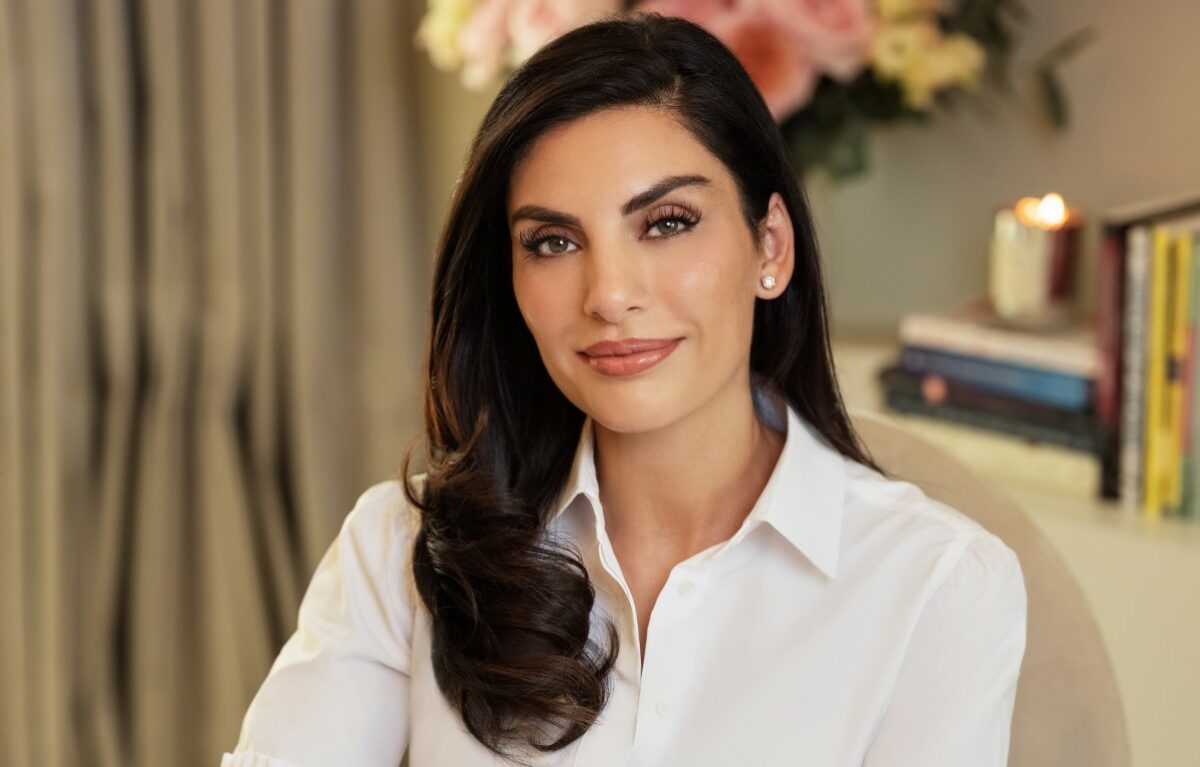
So who better to unpack this growing phenomenon than clinical psychologist Dr. Saliha Afridi, co-founder of LightHouse Arabia – Centre for Wellbeing in Dubai.
Since its founding in 2011, the outpatient mental health and wellbeing centre has grown to serve children, adults, couples, and families with a team of more than 25 psychologists, psychiatrists, occupational and speech and language therapists.
What’s your assessment of the current mental health climate?
The facts on mental health difficulties have been clear for some time but I think only recently we have started hearing about its importance.
Everyone knows one out of four people has or will struggle with some mental health difficulty at some point in their life. We also know that when the world goes through difficult experiences, such as those that we have experienced in 2020, that figure becomes much bigger.
The harsh reality is that the world today is experiencing major trends such as the pervasive and invasive role of technology in our lives, the weakening of social bonds of families and communities and the effects of social media and overbearing news, which are all things that put pressure on our mental health. And they are not going away anytime soon.
The good news is that there is more awareness and mental health difficulties are becoming more de-stigmatised and people are talking about their own struggles more openly. As a result, more people are having the courage to ask for help without the sense of shame, that they may have otherwise felt previously.

While mental health is shaped by many factors, including family, home, community, education, what’s your assessment of the situation inside companies?
On average, people spend 50 to 60 percent of their waking life at work and engaging with work and so companies play an important part in contributing to our mental health.
One thing I noticed during Covid-19 crisis as our home and work life blended, and the stress and anxiety that comes with uncertainty and restructuring increased, so did the level of responsibility felt by the corporations. I think if they had addressed it five to seven years earlier with the same level of intensity and responsibility, we probably would have been in a better place today when it comes to our overall employee mental health.
However, companies are finally taking note because they are realising that caring for their employees is not just a nice thing to do but also an important part of a sustainable and successful business strategy.
They are realising that the old way of thinking “leave your emotions at home” is not working and their employees are less productive, less creative, and less engaged. Companies are unable to attract and retain the talent that is needed to be successful. They are coming to the awareness that wellbeing programmes are one of the best investments they can make for a creative and sustainable business – and the same goes for countries.
How would you define leaders’ responsibility to their employees, do they have a duty of care?
Obviously, every leader has a duty of care to their teams, but few might get excited about the “duty of care” of messaging. However, every CEO and shareholder will get excited by conversations about revenue growth, lower costs, better client service, and more engaged, productive and creative teams. They will all be eager to have conversations that focus on attracting and retaining higher talent.
They will respond to the message that every dollar spent on mental health and wellbeing has a five dollar return on that investment. They cannot see employee wellbeing as a cost on a budget, nor do they have to subscribe to the ‘duty to care’ messaging. Instead, they have to pay attention to the numbers provided by World Economic Forum (WEF) and the World Health Organisation (WHO) on costs associated with lost productivity due to mental health difficulties.
Currently, depression and anxiety disorders cost the global economy $1 trillion. In the 21st Century, taking care of your employees is not a matter of goodwill or admirable duty, but rather it is a matter of good business sense.

How do you define leadership, and do you match up to your own definition?
The most important role of a leader is to focus on the employees. I believe a leader will spend his/her days contemplating on how to make their company a place where people thrive as much as he/she will focus on business development. When the focus is on the people and not just on the profit margins, the people will know it and feel it. They will be more engaged, creative, innovative, and service-oriented. When people are happy, it can only help to improve the overall operations and management of the organisation.
I also have learned from experience that leaders who are not using their whole self, their three minds, the head mind, the heart-mind, and the gut mind, then they are not showing up fully for the people or their clients.
We are a whole being, and partial leadership is the thing of the past. Integrated, whole-being, value-centred, conscious leadership is the way of the future.
How do you live that purpose yourself with your team, what lessons have you learned along the way?
The two ways I live my purpose practically is how I spend my time, and staying anchored in my “why”. The way I spend my day has completely shifted from when I first started the LightHouse Arabia. I used to spend 80 percent of my time serving clients, and 20 percent with my team, whereas now I spend 80 percent of my time with my team and 20 percent with my clients.
And while many people are seeing the commercials of mental health and having that be the driver to starting mental health services, I wake up every morning anchoring myself in my “why” – why did LightHouse Arabia come to be? Why am I here in the UAE? Why do I live within this community? I am clear about my “why” and so LightHouse Arabia remains clear in its mission.
For example, during Covid-19 we had hundreds of concerned companies ask us for wellbeing webinars and information for their teams. It was very easy for us to be opportunistic at that time and charge for our time. However, the whole team chose to remain deeply committed to our “why” and our mission, and we continued to show up for the community free of charge as we had the years before.
We provided, and continue to provide hundreds of hours of free community education and support through our webinars and support groups.

How did LightHouse Arabia begin and how has been the journey over the years?
The concept of LightHouse Arabia began 11 years ago from my personal experience of being disheartened by those who were leading the field in the region. I was young and deeply idealistic (now I am older and still idealistic) about the field. I believed it was our responsibility to heal, to transform, to support those who are struggling and not just care about the business of providing care. I felt we had a duty to focus on raising awareness for prevention and early intervention and not just address the issues with one-on-one therapy treatments. I felt there was a huge disconnect between what the community needed and what was being provided.
With a restless spirit – I knew that so much work was needed in terms of destigmatising mental health, raising awareness, educating parents, supporting communities — and against the advice of everyone who thought a mental health business focussed on pro-bono prevention, support and education would never work – I took a leap of faith and started LightHouse Arabia with Dr Tara Wyne.

Does that same goal drive you today or how has time shaped it?
I started off with my goal being to raise mental health awareness in the region and provide quality accessible support through our psychologist led support groups.
I wanted to create a place that would help the community and our clients reach their full potential. Since then, my goals remain the same but now also include creating a workplace where people come to learn, grow, serve, and live out their full potential.
I have always been intensely committed to the community, but now more so than ever, I am committed to my team and their growth. I deeply believe that a workplace that uses its people to serve its clients can never grow to its full potential nor can it ever have a remarkable impact. Your company, your product, your future is as good as your people.

The LightHouse Arabia at a glance
A team of over 25 psychologists, psychiatrists, occupational and speech and language therapists.
Care and support across a wide range of mental health and wellbeing challenges – from personal issues such as depression, anxiety, chronic stress, and addictions, to interpersonal issues such as conflict at work and marriage difficulties.
The LightHouse Arabia also works with corporations, schools, hospitals, the government, and other organisations to promote mental health and wellbeing through a broad range of seminars and workshops.
The LightHouse Arabia is the only licensed provider of the accredited Mental Health First Aid (MHFA) training in the UAE.
The practice funds all of the free-of-cost and low cost mental health support offerings for the community. To-date, they have provided thousands of hours of free community support to the UAE and the wider region.
The LightHouse Arabia is home to the Raymee Grief Centre, a free-of-charge grief support service. In addition, the centre runs free support groups for people grappling with other challenges such as cancer, infertility, and ADHD. All in all, the LightHouse Arabia offers the largest number of support groups in the region, with 20 unique support groups run each month by its team all free of cost.