
Branded residences were once defined by the power of association. A prestigious name above the entrance signalled exclusivity, elevated pricing and accelerated sales. Yet as the sector matures into a distinct asset class, the market has become markedly more sophisticated. Today, the conversation has shifted from brand appeal to long-term value creation, governance and operational discipline.
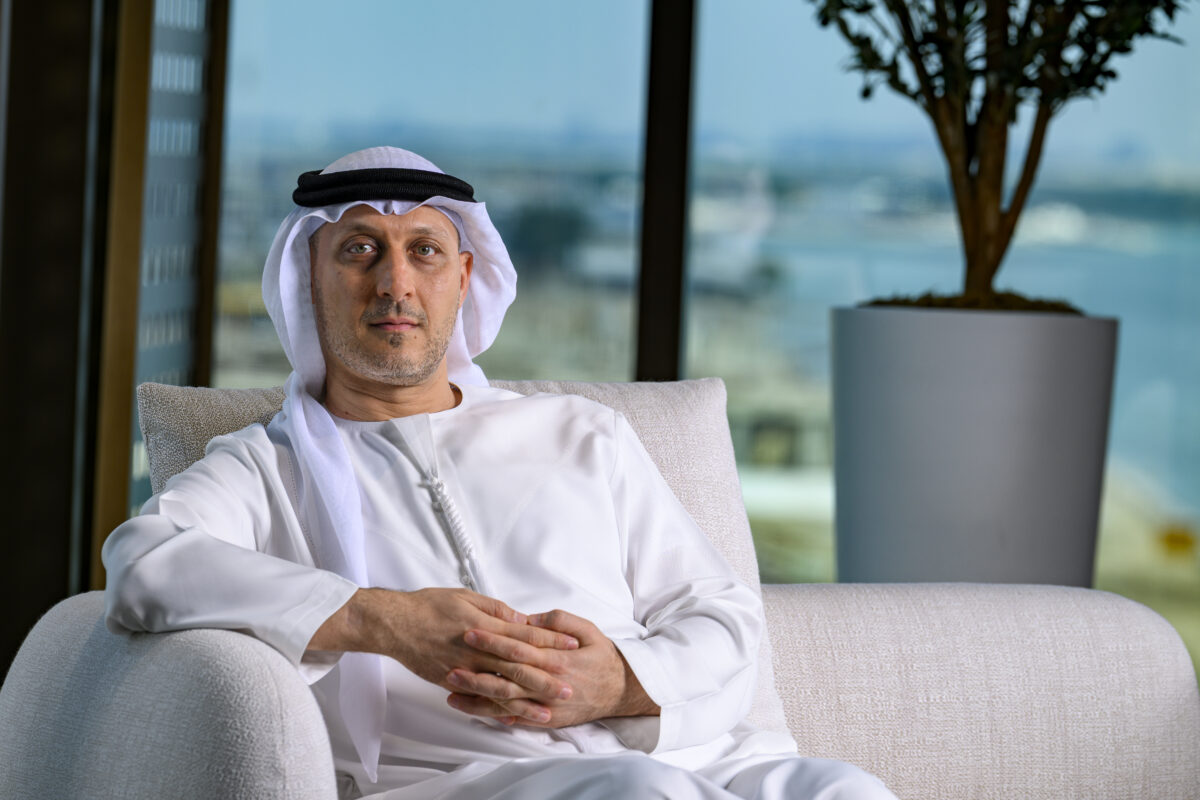
For Tareq Siam, Managing Director of Emirates Developments, the difference between enduring success and short-lived momentum lies in depth rather than decoration.
“The distinction lies in whether the brand is genuinely embedded in the daily living experience or simply applied as a marketing veneer,” he explains. “A recognised name on a façade may generate initial interest, but it does not, on its own, sustain value over time.”
From branding to embedded value
As global supply increases, buyers and institutional investors are becoming more discerning. They are asking not only who the brand is, but what the brand actually does — contractually, operationally and consistently, long after handover.
“True long-term value is created through substance: the quality of construction, the robustness of operational governance, the consistency of service delivery and the contractual accountability of the brand partner,” Siam says. “If the brand meaningfully shapes how the building is operated and how the resident experience evolves year after year, value endures.”
This shift reflects a broader recalibration across the sector. Early branded residences often relied heavily on halo effect. Today, however, governance frameworks, service-level agreements and measurable performance benchmarks are becoming central to investor due diligence.
At Emirates Developments, partner selection is deliberately aligned with long-term operational philosophy. Collaborations with Jumeirah, ELIE SAAB and Hilton are structured to ensure the brand’s influence extends beyond aesthetics.
“The differentiator is not symbolism, but depth,” he notes. “Substance always outperforms branding alone.”
The rise of authentic integration
One of the clearest indicators of this evolution is the growing expectation for brands to influence the residential experience in tangible ways.
At Stellar by ELIE SAAB on Yas Island, brand integration is expressed through architectural language, material selection and interior authorship. Common areas are furnished with pieces from the ELIE SAAB Maison collection, co-designed with Carlo Colombo and crafted in Italy, embedding the brand’s design DNA into the physical environment.
“This is not decorative branding; it is design authorship,” Siam says. “Buyers increasingly expect brands to influence how they live, not just where they live.”
The development is also notable as the first branded residential project on Yas Island, signalling the location’s transition from an entertainment-led destination to a fully integrated lifestyle ecosystem. For investors, this signals something equally important: branded residences are no longer isolated prestige products, but components within broader urban strategies.
Governance as reputational currency
If brand integration defines the front end of the proposition, governance defines its longevity.
“In a crowded branded residences market, governance is the dividing line between a premium, resilient asset and one that depreciates over time,” Siam observes. “Strong governance protects asset values, reduces operational friction and fosters long-term resident loyalty.”
For multi-brand developers, governance also becomes reputational currency. It is the mechanism through which promises are translated into performance. Professional community management, transparent reporting and structured accountability ensure standards do not erode once initial sales targets have been achieved.
The regulatory environment in Abu Dhabi further reinforces this emphasis, positioning the emirate as a market grounded in transparency, discipline and long-term planning. As buyers become increasingly global and institutional capital becomes more active in the segment, such frameworks are no longer optional — they are expected.
The post-launch test
Perhaps the most revealing phase of any branded residential project begins after the ribbon-cutting ceremony.
“Trust is built after the transaction, not before it,” Siam says. “Launches generate excitement, but the post-launch phase determines credibility.”
Ongoing leadership engagement, brand oversight and operational consistency signal seriousness of intent. The launch of Jumeirah Residences Al Maryah Island at Louvre Abu Dhabi may have captured headlines, but, as Siam notes, “the real story unfolds over the next decade”.
This long-term mindset is increasingly shaping developer strategy. As supply expands across global gateway cities and emerging lifestyle destinations, the market is self-correcting. Projects that demonstrate genuine integration and governance discipline will command premiums. Those branded in name only are likely to face pricing pressure and reputational risk.
A more selective future
Looking ahead, Siam anticipates fewer branded residential developments — but higher expectations around delivery and oversight.
“As supply increases, buyers gravitate towards quality,” he says. “Projects with genuine brand integration, strong governance and transparent operational structures will command premiums. Those branded in name only will struggle.”
For Emirates Developments, that translates into a quality-over-quantity strategy: a curated portfolio of distinctive projects, each shaped by its own brand DNA and governance framework.
Ultimately, success is measured not at launch, but in longevity.
“Success is when residents actively recommend the community, that is the most authentic endorsement,” Siam concludes. “From a performance standpoint, it means appreciating values, strong occupancy and sustained demand. Operationally, it means services delivered consistently at the promised standard and a community that becomes richer with time.
“A community should improve with age, not decline.”