
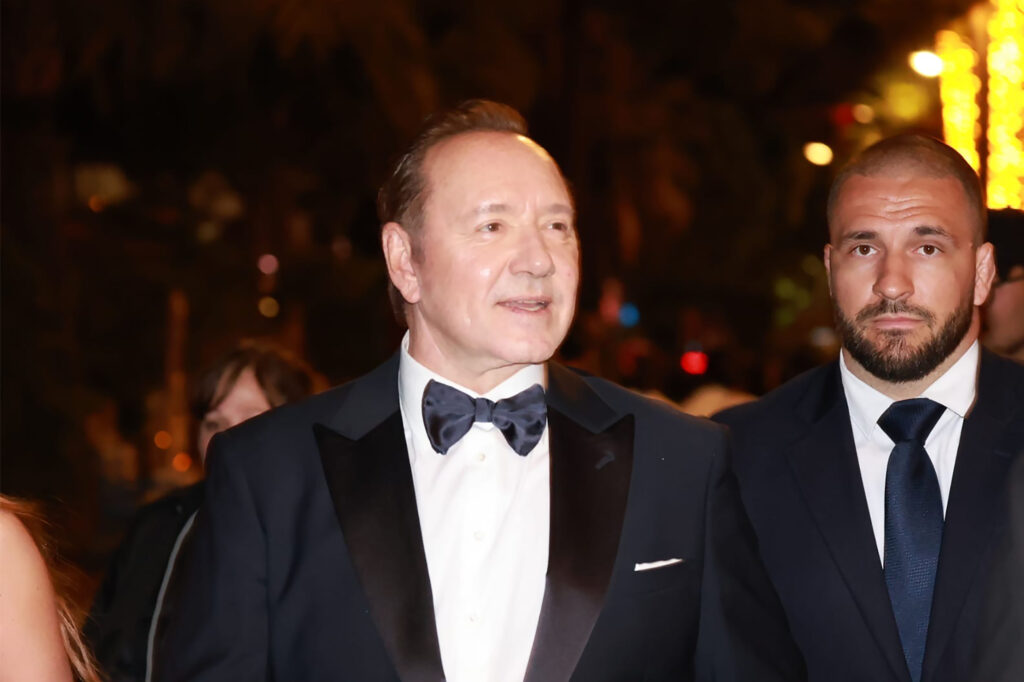
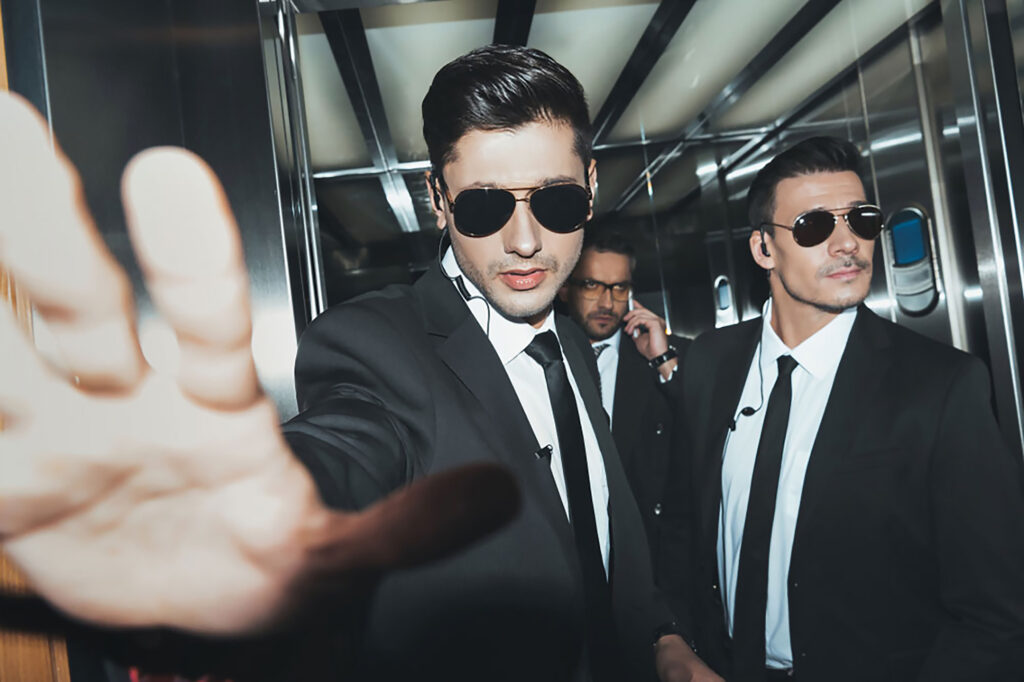
Bodyguards still carry a Hollywood stereotype: dark suits, earpieces, intimidating physiques and an ever-present sense of danger.
In reality, the modern bodyguard’s job is far quieter and far more strategic than most people imagine. The best protection, according to Andrei Scripcar, is often invisible.
“Today, growth is driven not by fear, but by prevention, professionalism and the ability to maintain an unrestricted lifestyle,” says Scripcar, founder of Platinum Close Protection.
“If physical intervention becomes necessary, prevention has already failed.”
That philosophy sits at the heart of a business that has quietly expanded from Europe into the Middle East, serving some of the world’s most high-profile individuals — from ultra-high-net-worth families and CEOs to royalty, celebrities and public figures.
From reactive muscle to strategic service
Platinum Close Protection is privately owned by two business partners, Andrei Scripcar and Bogdan Amarculesei, and its growth in the region has been anything but opportunistic.
“Our expansion in the Middle East developed organically through long-term relationships and trust built during high-level assignments,” Scripcar explains.
“Demand increased after we provided private close protection services to members of Royal Families during their stays in London.
Following these engagements, they specifically requested our services in the United Arab Emirates.”
The UAE’s global reputation for safety hasn’t dampened demand. If anything, it has reshaped it.
“Although the UAE is internationally recognised as one of the safest regions in the world, our clients value the additional level of professionalism, discretion and reassurance that comes from working with experienced protection specialists,” he says.
“Since then, their partners, close networks and other high-profile clients in Dubai have reached out to us directly.” What has changed most is how protection itself is perceived.
“It is no longer viewed as a reactive measure, but as a strategic service that enables safe international travel, public visibility and operational continuity,” Scripcar adds.
Who really needs protection today?
“One of the biggest misconceptions is that close protection is about intimidation or visible force,” he says. “In reality, effective close protection is discreet, intelligence-led, and preventative.”
Day to day, that means planning routes before a client leaves home, analysing environments before an event begins, and identifying early warning signs long before a situation escalates.
Threats themselves have also changed. “Modern threats are rarely purely physical,” Scripcar explains. “They are increasingly a combination of physical, digital and reputational risks.”
Social media, real-time location sharing and constant online visibility have created new vulnerabilities. “At the same time, reputational incidents can escalate as quickly as physical ones,” he adds.
Technology now plays a supporting but not dominant role. “We use it for route planning, surveillance analysis, secure communications, cyber awareness and social-media risk assessment,” he says.
“However, technology complements, it does not replace professional judgment, experience and situational awareness.”
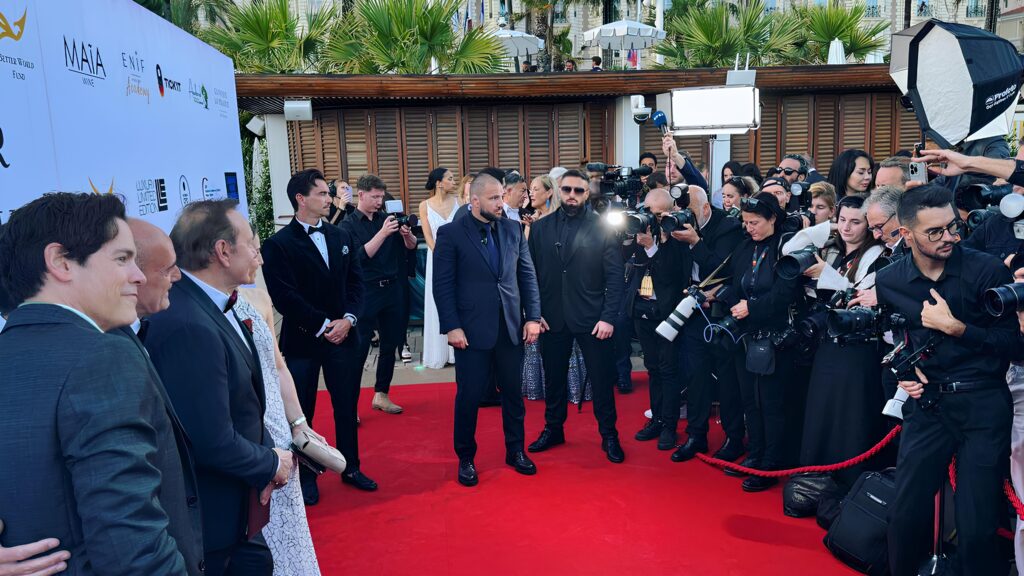
Certain locations consistently drive demand. “We see increased activity around international travel, high-profile business engagements, global summits, red-carpet appearances and luxury destinations,” Scripcar says.
“Cities such as Dubai, London, Monaco, Cannes and Venice remain key locations where visibility and exposure drive the need for professional protection services.”
Not every headline act warrants a bodyguard. Platinum Close Protection assesses clients differently. “We conduct a professional risk assessment based on visibility, lifestyle, travel patterns, assets and exposure, rather than fear or media headlines,” Scripcar says.
“Many executives assume that luxury hotels and business-class travel equal security. In reality, security is a system, not a location.”
The human side of the job
For Amarculesei, the appeal lies in perspective as much as responsibility.
“Through this profession, we have worked closely with Hollywood actors we admired growing up, internationally renowned artists, and some of the most influential individuals in the world,” he says.
“Beyond the prestige, what truly motivates me is the responsibility that comes with protecting people at such a high level.”
Does fear ever enter the equation? Scripcar is candid. “Yes, of course. Especially during high-risk missions,” he says. “Fear becomes a signal. A reminder to stay focused and disciplined.
The goal is not to be fearless, but to remain calm and make clear decisions under pressure.”
For leaders caught alone in a difficult situation, his advice is simple: stay calm, avoid confrontation, limit information exposure, move towards safety, and seek help immediately. “Ultimately, prevention is key,” he says. “Situational awareness and planning can make a decisive difference.”