
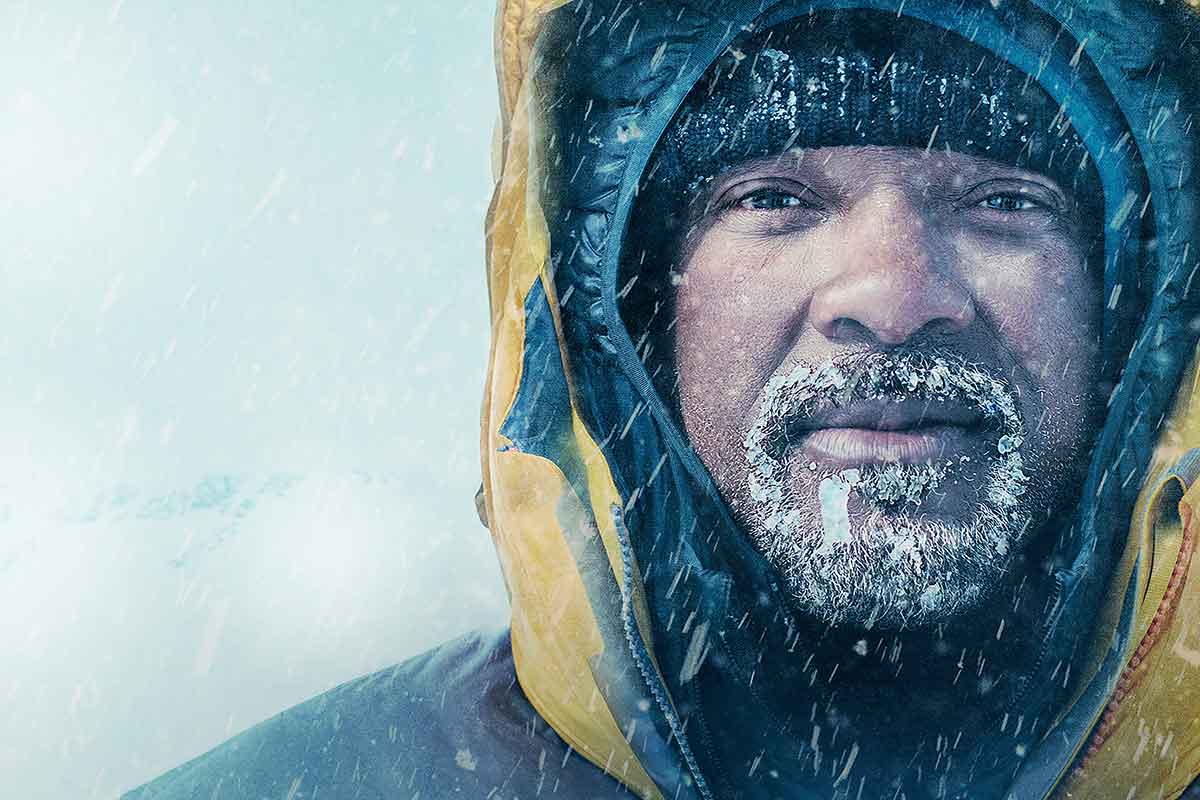
For more than three decades, Will Smith has been one of the most recognisable figures in global entertainment. From sitcom star to box-office powerhouse, Grammy-winning musician to Oscar-winning actor, his career has been defined not by a single reinvention, but by a willingness to keep evolving.
Smith has also made serious moves in the business world. He co-founded Westbrook Studios which has worked on a number of premium TV and motion picture projects, including the Oscar-winning King Richard, Emancipation and Bad Boys: Ride or Die.
The global superstar is involved in several other business ventures such as Dreamers VC, a Los Angeles-based venture capital and has stakes in nearly 30 companies across animation content, real estate and financial technology. He was also named a team owner in the all-electric E1 marine racing series, leading the Westbrook Racing team.
Making an impact
Standing on the red carpet in Dubai ahead of the premiere of his six-part National Geographic docuseries Pole to Pole, Smith spoke to CEO Middle East about the way he now chooses projects and measures success. “At this point in my life,” he says, “I’m looking for something that challenges me first.
“And I want to contribute to what’s happening in humanity right now.” That shift marks a departure from the earlier chapters of his career when scale, spectacle and global reach were the driving forces. Smith is not disowning that era – it made him one of Hollywood’s most bankable stars – but he is redefining what impact means. Today, the filter is less about commercial success and more about meaning. The world, he believes, feels fractured. “It can seem disjointed,” he says, “but I also feel like there’s an awakening happening. People are reaching for bigger questions.”
His response has been to seek out work that feels uplifting, connective and quietly ambitious – projects that invite reflection rather than simply attention.
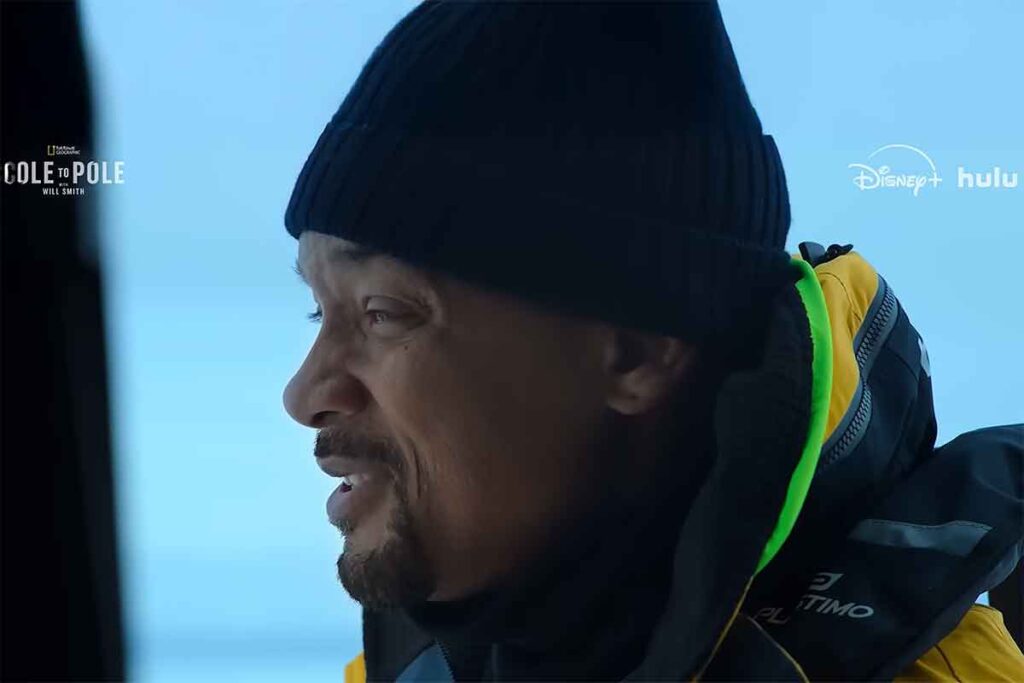
Pole to Pole is emblematic of that mindset. The documentary series takes Smith across all seven continents, culminating in Antarctica, and places collaboration at its core.
It is not a vanity travelogue, but a shared creative exercise involving people from vastly different cultures, backgrounds and languages. “It was a global collaboration,” he explains. “Thirty different languages, a real spectrum of human beings. That’s how I want to spend the rest of my life.”
Leading from the front
This emphasis on collaboration also underpins Smith’s evolution from actor to producer and business leader. Running a production company has shifted him from being solely the face of a project to being responsible for its direction, culture and long-term impact. The transition from movie set to boardroom is not always an easy one for creative talent, but Smith sees continuity rather than contrast between the two roles. “The most important thing is keeping people clear on the mission. What are we actually doing?” he says. In fast-moving creative environments, that clarity can easily be lost.
Budgets, schedules and competing priorities can obscure the original intent. Smith’s leadership instinct, shaped by decades of storytelling, is to constantly return teams to first principles: are we inspiring, entertaining and genuinely connecting with people?
That question now sits at the heart of his decision-making. It is less about control and more about alignment – ensuring that everyone involved understands not just what they are making, but why it matters. In that sense, his reinvention is not about abandoning creativity for commerce, but about applying creative discipline at scale.
The sustainability message in Pole to Pole reflects a similar recalibration. But Smith is careful not to frame himself as an environmental evangelist.
Instead, he talks about a more personal realisation that emerged during the series – particularly during two weeks in Antarctica, where each participant was allowed just one backpack. “When you actually choose what you need,” he says, “I was very surprised at what I needed versus what I thought I needed.” The experience stripped life down to essentials and, in doing so, delivered a powerful lesson. Simplicity, he discovered, creates freedom. Excess – material and mental – weighs people down.
That insight has resonance beyond sustainability. It mirrors Smith’s broader career arc: shedding assumptions, letting go of old metrics of success, and moving more lightly through the world.
“Shaking things off makes it so much easier to move,” he reflects. The metaphor is hard to miss. Reinvention, for Smith, is not about accumulation, but subtraction.
It is a marked contrast to the relentless pace that once characterised his rise. Yet there is no sense of retreat. If anything, Smith appears more engaged, more curious and more globally minded than ever.
The scale remains – seven continents is hardly small thinking, but the purpose has sharpened.
Reinvention, in his case, is not a single pivot but an ongoing practice. As Pole to Pole makes clear, the journey is no longer just outward. It is inward too. And for Will Smith, that may be the most meaningful evolution of all.